

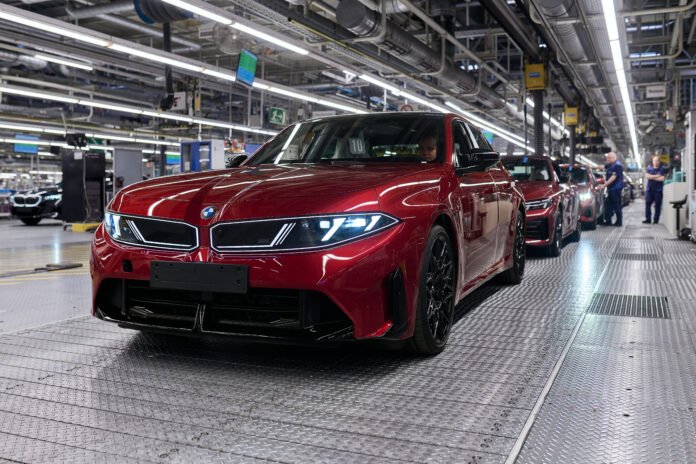

The BMW Group is investing around two billion euros in vehicle production and battery manufacturing to underline the importance of Germany as a production location. The company is ensuring that its plants are ready for the next generation of the BMW 3 Series. The BMW 3 Series has been the heart of the BMW brand for over 50 years. About 18 million vehicles have been completed since production started in 1975, with 15 million of these made in Germany. This makes the BMW 3 Series the world’s most successful premium mid-size automobile.
Approximately one billion euros has been spent on further development of the Munich and Dingolfing vehicle plants. The company has invested around one billion euros in the new Irlbach‑Straßkirchen battery plant in Lower Bavaria.
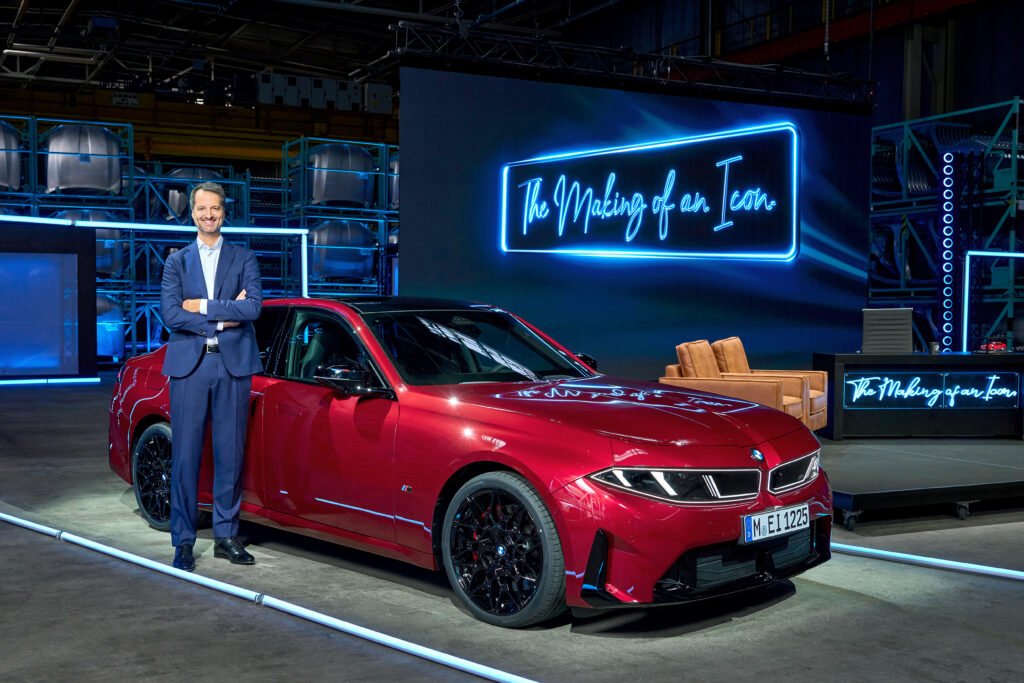
“We are investing in value creation, competitive production and job security in Germany. The new BMW 3 Series is the proof. We are in control of the transformation – from development to industrialisation and high-efficiency production in Munich and Dingolfing. The new high-voltage battery plant in Irlbach-Straßkirchen illustrates how we are bringing key electromobility technology back to our home base. We are making our contribution. Conditions that enable investment, innovation and competitiveness are essential if industrial value creation is to enjoy continued success in Germany,” said Raymond Wittmann, Member of the Board of Management of BMW Group, Production.
New BMW i3 in Munich, BMW 3 Series with classic drivetrain in Dingolfing
The all-electric BMW i3 is being manufactured at the extensively renovated BMW Group parent plant in Munich, using sixth-generation high-voltage batteries delivered by the new BMW Group Plant Irlbach-Straßkirchen. The BMW 3 Series variants with combustion engine and plug-in hybrid drive are being produced at the BMW Group Plant Dingolfing. Both locations boast state-of-the-art production systems and structures, ensuring that the BMW Group remains competitive when producing premium automobiles that are in demand around the world. Staying true to the “local for local” principle, in China these standards and guidelines will also be applied to production of the BMW i3 and the BMW 3er at the BMW Group Plant San Luis Potosí in Mexico, and of a modified version of the BMW 3 Series for the Chinese market in Shenyang, China.
Unequivocal commitment to Germany and the Bavaria region
Germany is the heart of BMW Group production. The company produces more than one million vehicles in its German plants each year. This means that the BMW Group makes around a quarter of the cars produced in the country. The company’s domestic production volume is more than the vehicle sales total for the BMW Group in Europe.
At the same time, Germany is the centre of a tightly integrated industrial value creation network. Around 55 percent of BMW Group employees work in Germany. On top of this, there are also thousands of partner companies along the value chain.
The BMW Group is underlining its commitment to regional value creation with the new BMW 3 Series. As production ramps up, around 760 supplier locations are supplying the Munich and Dingolfing plants with components and materials. More than 70 percent of these production locations are in Europe, with more than 30 percent in Germany.
Two BMW 3 Series locations, two paths to the future
The new BMW 3 Series is adding a new chapter to the outstanding success story of German automobile production. Since debuting in 1975, the BMW 3 Series has been rolling off the line without interruption at the parent plant in Munich, where it will be joined for the first time by the all-electric BMW i3. Production of this model series has also taken place intermittently at the BMW Group Plant Dingolfing since 1980, making it one of the most formative vehicles in the history of the location.
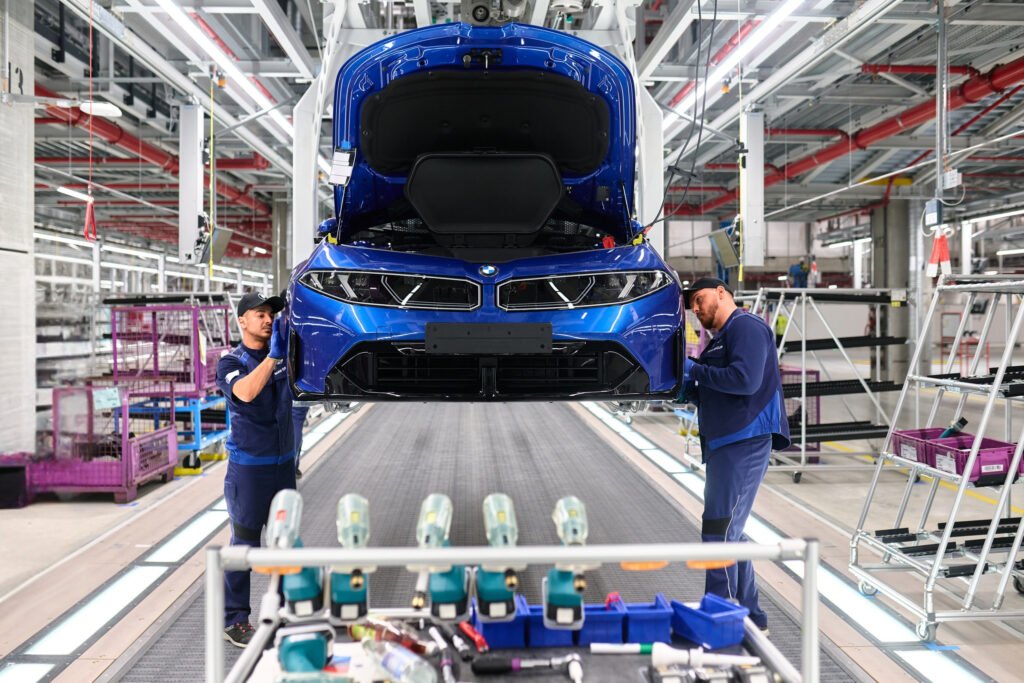
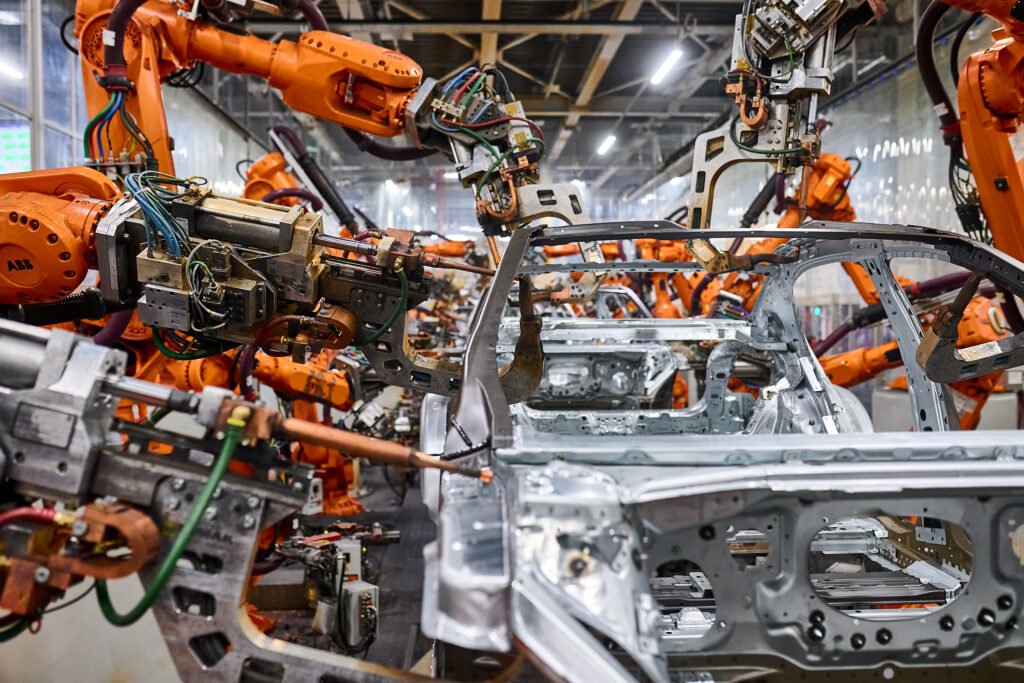
Preparations for the eighth generation were designed with specific differences at the two locations. In Munich, the BMW Group made significant investments in new buildings and production facilities for the technologies of the Neue Klasse. In existence for more than 100 years, the plant has been extensively modernised into a state-of-the-art “electric only” location. With a high level of flexibility and a range of models, Plant Dingolfing produces combustion engine and plug-in hybrid versions of the new BMW 3 Series for customers all around the world. A new production line for the BMW 3 Series has been added to the body shop to ensure that the new models can be efficiently integrated into existing production, while the vehicles will be added to the mix of BMW models on the line in the assembly area and paint shop.
Irlbach-Straßkirchen gives a boost to Lower Bavaria as a location for industry
The BMW Group Plant Irlbach-Straßkirchen is another key component for the next generation of the BMW 3 Series and the Neue Klasse. Sixth-generation high-voltage batteries will be assembled there and from October onwards, the location will provide the Munich plant with battery systems for the all-electric BMW i3. The plant is an example of how to establish high‑tech industry in Germany. It boosts regional value creation, secures skilled jobs and adds a future location to the industrial ecosystem of Lower Bavaria. At the same time, the project demonstrates that it is possible to establish new industrial locations in Germany when companies, politicians, local authorities and government officials work closely together. The BMW Group has had an active presence in Lower Bavaria for nearly six decades. The development of the company and the economic advancement of the region have long gone hand in hand, and continue to do so to this day. The effects of investments in plants, technologies and employment stretch far beyond the factory gates. These support regional suppliers, service providers and mid-size companies, generate income and tax revenue, and retain industrial expertise within the region.
The BMW 3 Series as a symbol of a successful, industrial future
The BMW 3 Series represents the next step of a gradual introduction of the technologies of the Neue Klasse into the core portfolio of the BMW Group. By the end of 2027, BMW is planning to put around 40 new or revised models with technologies of the Neue Klasse on the road.